
 هاتف
: +1 2403149021
هاتف
: +1 2403149021 Mail: kliu@jiechi.com
هاتف
: +1 2403149021Mail: kliu@jiechi.com


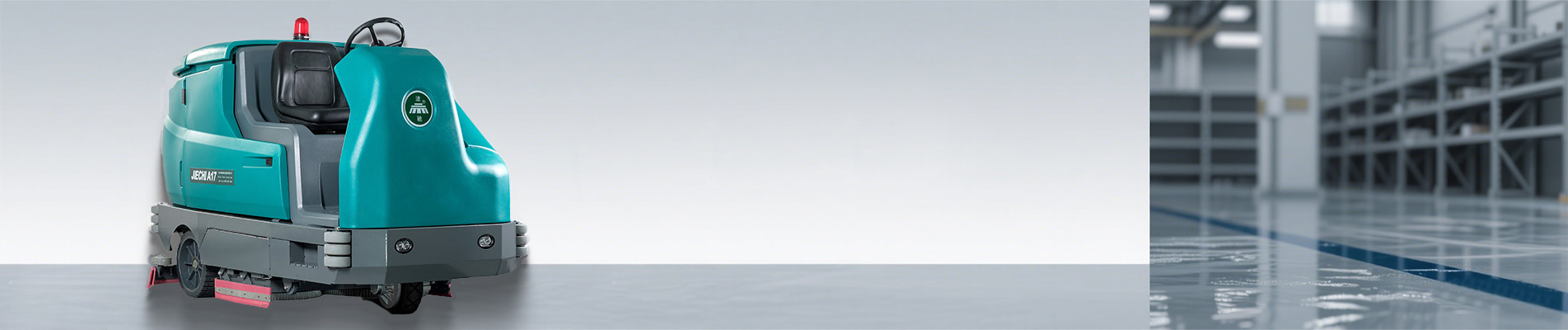
Factory floors get dirty again shortly after cleaning mainly due to improper cleaning techniques, using the wrong equipment, and neglecting key steps like rinsing chemical residue. Avoid these five common mistakes to extend floor cleanliness by 3x to 5x.
A factory floor that looks spotless after cleaning but turns dingy by the next shift is a near-universal frustration for facility managers. The root causes aren't mysterious — they come down to five operational mistakes that are easy to overlook. Fixing these with the right floor cleaning machine for industrial use can reduce cleaning frequency by up to 60% while delivering consistently better results.
Using too much cleaning chemical — or not rinsing properly — is the #1 cause of rapid re-soiling. Excess detergent leaves a sticky residue that acts like glue for dust, oil particles, and production debris. Within 2-4 hours after cleaning, the floor appears noticeably duller.
The fix: Dilute chemicals strictly per manufacturer guidelines. After scrubbing, perform a clean-water pass. Industrial machines like the Jiechi A7 and A10 come with programmable water-flow and solution-dosing controls, so operators can set precise chemical ratios every cycle — no guessing, no overuse.
Mopping a factory floor by hand is like sweeping a construction site with a toothbrush. Standard mops push dirty water into cracks and corners, leaving a thin layer of grime that dries into a visible film. Even some entry-level scrubbers recycle dirty water if squeegees are worn or misaligned.
The fix: Match equipment to the floor type. For heavy-oil environments, an Industrial Battery Powered Ride On Floor Scrubber like the Jiechi A17 or M20 delivers 3x more scrub pressure than walk-behind models and recovers 95%+ of wastewater. For smaller workshops, the battery-powered walk-behind floor scrubber BA530BT offers battery-powered maneuverability with a built-in squeegee that leaves floors nearly dry.
Running a scrubber while forklifts, pallet jacks, and workers are moving creates a perfect storm for recontamination. Freshly cleaned wet zones pick up tire marks, foot traffic, and dust within minutes. A 2024 survey of 200+ manufacturing facilities found that floors cleaned during production stays clean an average of 70% less time than floors cleaned during dedicated downtime.
The fix: Schedule cleaning during shift changes, breaks, or end-of-day. If your operation runs 24/7, zone-cleaning with fast-drying equipment — such as the Jiechi BA900BT with its high-efficiency vacuum fan — can cut drying time to under 3 minutes so traffic can resume safely.
Concrete, epoxy, tile, and sealed floors each react differently to cleaning agents. Using an acidic cleaner on epoxy, for instance, dulls the surface and creates microscopic pores where dirt embeds. Similarly, alkaline degreasers on unsealed concrete can leave a white, chalky residue that looks like dirt.
The fix: Test your floor type before choosing chemicals. For epoxy factory floors, neutral-pH cleaners with a 6-8 pH range are ideal. For oil-stained concrete, a targeted degreaser followed by a thorough neutral rinse works best. Machines like the Jiechi M17 support multi-tank configurations so you can segregate chemical, rinse, and recovery without cross-contamination.
Water evaporation leaves dissolved dirt particles behind. A floor that dries slowly — or not at all before the next shift starts — traps footborne debris in the remaining moisture film. This is especially problematic in humid environments and food-processing zones where standing water also poses a slip hazard.
The fix: Use scrubbers with high-efficiency squeegee systems and vacuum recovery. The Jiechi EL510 features an advanced dual-squeegee design and a 4-stage vacuum motor that lifts 98% of moisture in a single pass. Pair it with walk-behind drying mats in high-traffic zones for complete dryness in under 2 minutes.
Q: How often should I deep-clean my factory floor?
A: For most manufacturing facilities, a full deep-clean cycle every 2-4 weeks is sufficient, supplemented by daily damp-mopping or quick-pass scrubbing in high-traffic aisles. Adjust based on debris volume and foot traffic.
Q: Can I use the same cleaning process for all floor types?
A: No. Concrete, epoxy, tile, and sealed floors require different chemical pH levels, brush types, and pad hardness. Always match your scrubber pad (abrasive, medium, or soft) to your floor coating.
Q: What is the single biggest improvement I can make to keep floors cleaner longer?
A: Switch from manual mopping to a proper ride-on or walk-behind scrubber with chemical-dosing control. Facilities that upgrade to the Jiechi A5 or BA730BT report floors staying clean 3 to 4 times longer between cleanings.
Clean factory floors are not just about appearances — they impact safety, product quality, equipment longevity, and worker morale. By avoiding these five common mistakes, you can dramatically extend the cleanliness window after each wash, reduce water and chemical consumption, and improve overall facility hygiene.
With over 100,000 customers worldwide and 3,000+ facilities served, Jiechi Cleaning Equipment understands the real-world challenges of industrial floor maintenance. Whether you operate a small workshop or a 50,000㎡ manufacturing complex, Jiechi has a solution — from the compact A3 for tight spaces to the heavy-duty A17 for high-traffic production lines. Choose the right machine, follow these best practices, and your factory floors will stay cleaner, longer.

 هاتف
:+1 2403149021
هاتف
:+1 2403149021 بريد إلكتروني
:kliu@jiechi.com
بريد إلكتروني
:kliu@jiechi.com

ترك رسالة
مسح ضوئي إلى WeChat :

مسح ضوئي إلى WhatsApp :

 العربية


