
 هاتف
: +1 2403149021
هاتف
: +1 2403149021 Mail: kliu@jiechi.com
هاتف
: +1 2403149021Mail: kliu@jiechi.com


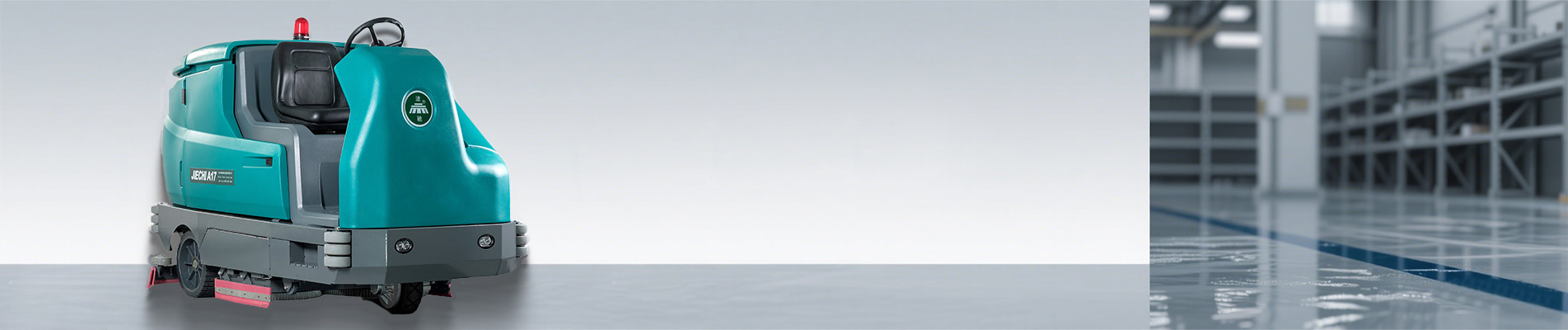
إذا كنت تبحث عن آلة تنظيف الأرضيات أو كاسحة الشوارع، ربما تكون قد صادفت فئتين: صناعي و تجاريللوهلة الأولى، تبدو العديد من الآلات متشابهة - فكلتاهما تقوم بتنظيف الأرضيات، وكلاهما مزود بمساحات، وكلاهما يأتي بتصميمات يدوية وأخرى قابلة للركوب. فما الذي يميزها في الواقع؟
قد يؤدي اختيار الفئة الخاطئة إما إلى دفع مبالغ طائلة مقابل ميزات لا تحتاجها، أو إلى الحصول على جهاز لا يستطيع التعامل مع حجم عملك. في هذا الدليل، نوضح الفروقات الحقيقية - الشكل، والحجم، والأداء، والسعر - لمساعدتك على اتخاذ قرار مدروس.
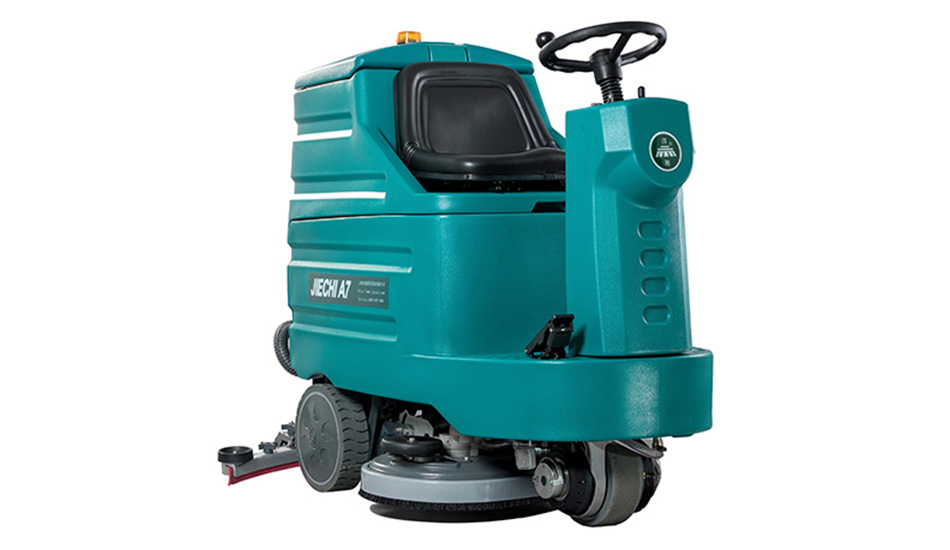
منظفات الأرضيات التجارية صُممت هذه المنتجات للتنظيف الخفيف والسريع في البيئات التي تهم فيها الجماليات والنظافة، ولكن الأرضيات لا تتعرض لإساءة استخدام شديدة.
التطبيقات التجارية النموذجية:
الخصائص الرئيسية:
تُعطي الآلات التجارية الأولوية لسهولة الاستخدام والمناورة والقيمة مقابل المال. لست بحاجة إلى نظام نقل حركة شديد التحمل إذا كنت تنظف أرضية متجر بمساحة 5000 قدم مربع مرة واحدة يوميًا.
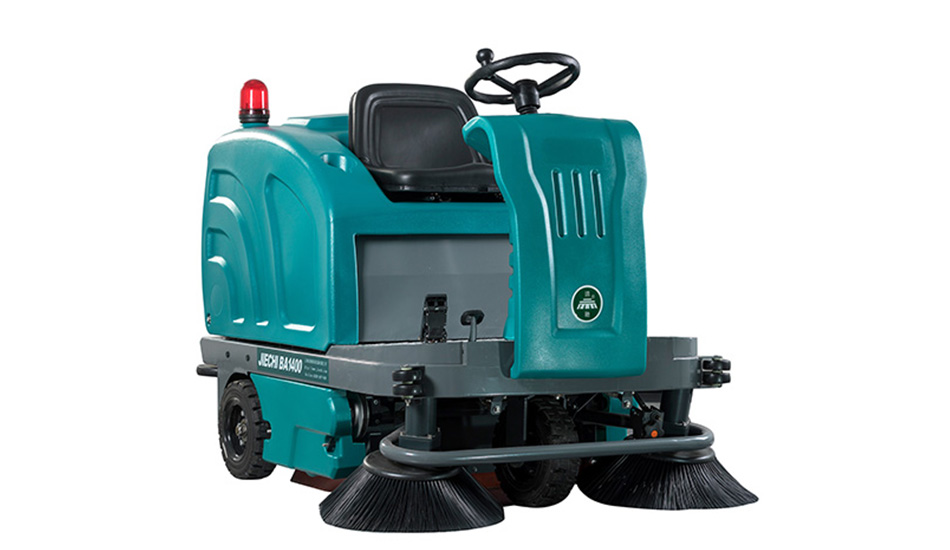
منظفات الأرضيات الصناعية صُممت هذه الآلات للتنظيف الشاق والممتد لساعات طويلة في البيئات القاسية حيث تكون المتانة والإنتاجية هما الأهم.
التطبيقات الصناعية النموذجية:
الخصائص الرئيسية:
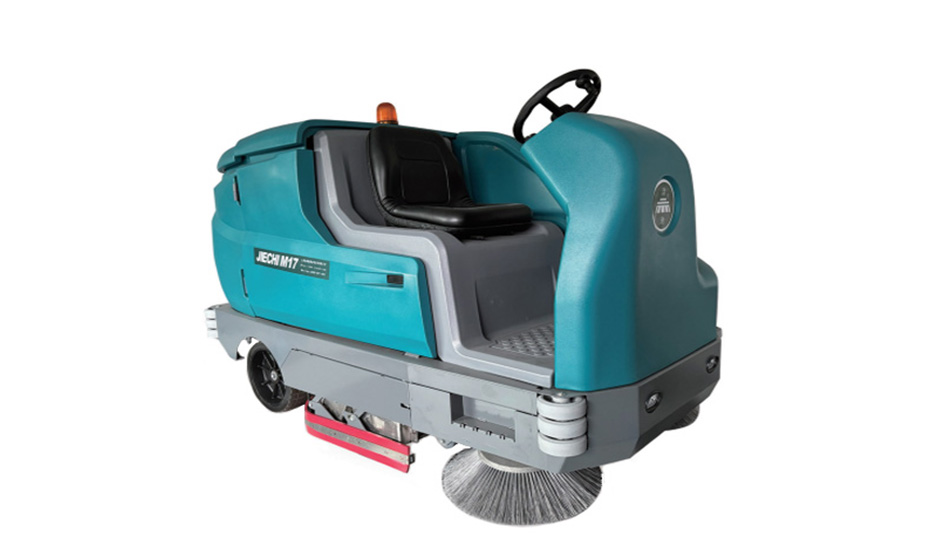
الآلات الصناعية هي أدوات في المقام الأول، ومركبات في المقام الثاني. وهي تركز على وقت التشغيل وسرعة التنظيف وطول العمر أكثر من التركيز على المظهر الأنيق أو الميزات المريحة.
| وجه | تجاري | صناعي |
|---|---|---|
| مدة الاستخدام | من ساعة إلى ثلاث ساعات يومياً | 4-8 ساعات أو أكثر يوميًا |
| أنواع الأرضيات | البلاط، بلاط الفينيل المركب، الخشب الصلب، الخرسانة المصقولة | أرضيات خرسانية خشنة، إيبوكسي، معدنية، وزيتية/رطبة |
| التعامل مع المخلفات | غبار خفيف، أوساخ، انسكابات | برادة معدنية، زيت، شحم، حطام ثقيل |
| عمر البطارية | 2-4 ساعات (حمض الرصاص) | 4-8 ساعات أو أكثر (بطارية عالية السعة أو بطارية ليثيوم) |
| عرض التنظيف | 17-30 بوصة | 30-50+ بوصة |
| خزان المحلول | 10-20 جالون | 20-50+ جالون |
| سرعة السفر | 2.5–3.5 ميل في الساعة | 3.5–5+ ميل في الساعة |
| إطار | فولاذ/بلاستيك خفيف الوزن | فولاذ شديد التحمل، مقوى |
| نظام الفرشاة | قرص مفرد أو أسطواني | قرص مزدوج، أسطواني، أو مزيج |
| متوسط العمر المتوقع | 3-5 سنوات | 7-10 سنوات فأكثر |
| ضمان | 1-2 سنة | من سنتين إلى خمس سنوات |
| السعر المبدئي | حوالي 2000 دولار | حوالي 8000 دولار |
تجاري: مساحة أرضية قابلة للتنظيف تقل عن 30,000 قدم مربع
صناعي: مساحة تزيد عن 50,000 قدم مربع، خاصة إذا كنت بحاجة إلى تنظيف تلك المنطقة في وردية عمل واحدة.
بالنسبة للمساحات التي تتراوح بين 30000 و 50000 قدم مربع، يعتمد القرار بشكل أكبر على العوامل الأخرى المذكورة أدناه.
تجاري: الأرضية مغطاة بغبار خفيف، وأوساخ عالقة، وبقع متناثرة بين الحين والآخر. قرص واحد بسيط آلة تنظيف الأرضيات التجارية استخدام ممسحة مطاطية سيفي بالغرض.
صناعي: توقع وجود رقائق معدنية، وتراكم الزيوت، والشحوم، وجزيئات ثقيلة، أو بقايا لزجة. ستحتاج إلى آلة مزودة بفرشتين أسطوانيتين (أفضل في دفع الحطام إلى الحاوية) وأنظمة شفط صناعية عالية الجودة.
هذا هو العامل الحاسم الأكبر. إذا كنت بحاجة إلى تشغيل الآلة لوردتين متتاليتين، فإن آلة تنظيف الأرضيات الصناعية يُعدّ استخدام بطاريات الليثيوم وخاصية الشحن السريع أمراً لا غنى عنه. تتطلب بطاريات الرصاص الحمضية في الآلات التجارية أكثر من 8 ساعات للشحن، ما يعني أنك ستقضي نصف الوقت في التنظيف.
أرضيات مناسبة للاستخدام التجاري: الخرسانة المصقولة، والبلاط الخزفي، والفينيل، والرخام، والخشب الصلب - أسطح ناعمة ومسطحة حيث يكون التنظيف اللطيف كافياً.
أرضيات مناسبة للاستخدام الصناعي: الخرسانة الخشنة، والأرضيات المصقولة بالمكنسة، والشبكات المعدنية، والأرضيات المطلية بالإيبوكسي ذات الملمس - تتطلب هذه الأرضيات ضغطًا أكبر للفرشاة (غالبًا 200-400+ رطل) وأنماط تنظيف قوية.
تكلفة منظف الأرضيات الصناعية مرتفعة في البداية. لكن ضع في اعتبارك ما يلي:
| عامل التكلفة | تجاري | صناعي |
|---|---|---|
| السعر المبدئي | أدنى | أعلى بمقدار 2-4 مرات |
| الصيانة السنوية | 200-500 دولار | 500-1500 دولار |
| دورة الاستبدال | 3-5 سنوات | 7-10 سنوات فأكثر |
| عمر البطاريات | الرصاص الحمضي (1-2 سنوات) | الليثيوم (3-5 سنوات) |
غالباً ما ترجح الحسابات الرياضية طويلة الأجل كفة الصناعة في البيئات الصعبة.
تقدم بعض الشركات المصنعة فئة "الصناعات الخفيفة" أو "الاستخدامات المتوسطة" - وهي آلات تقع بين الفئتين السابقتين. تتميز هذه الآلات عادةً بهياكل بحجم الآلات التجارية، ولكن بمحركات مطورة، وفرش تنظيف أفضل، وبطاريات ليثيوم اختيارية. إذا كانت مساحة منشأتك تتراوح بين 30,000 و50,000 قدم مربع، وتنتج كمية متوسطة من المخلفات، فقد يكون هذا الخيار المتوسط هو الأمثل.
السيناريو 1: متجر ملابس بالتجزئة بمساحة 5000 قدم مربع
→ آلة تنظيف الأرضيات التجارية التي تُدار يدويًا (عرض 20 بوصة، 3000-5000 دولار) - يعمل لمدة ساعة واحدة يوميًا، غبار خفيف، أرضية من البلاط. مناسب تمامًا.
السيناريو الثاني: مستودع توزيع بمساحة 100,000 قدم مربع
→ آلة تنظيف ومسح صناعية قابلة للركوب (عرض 40 بوصة، 18000-30000 دولار) - تعمل 6 ساعات يوميًا على الخرسانة الخشنة، وتلتقط مخلفات التغليف والغبار. استثمارٌ مجدٍ للغاية.
السيناريو 3: ورشة إصلاح سيارات مساحتها 35000 قدم مربع
→ معدات صناعية خفيفة يدوية أو صغيرة قابلة للركوب (عرض 28-32 بوصة، 6000-12000 دولار) - يتعامل مع الزيت والشحوم ونشارة المعادن دون التكلفة الصناعية الكاملة.
اختر تجاري إذا:
اختر القطاع الصناعي إذا:
ما زلت غير متأكد؟ تصفح تشكيلة جيتشي الكاملة من آلات تنظيف الأرضيات واستخدم فلاتر منتجاتنا للمطابقة حسب المنطقة ونوع الأرضية ودورة التشغيل - لا حاجة للتخمين.

 هاتف
:+1 2403149021
هاتف
:+1 2403149021 بريد إلكتروني
:kliu@jiechi.com
بريد إلكتروني
:kliu@jiechi.com

ترك رسالة
مسح ضوئي إلى WeChat :

مسح ضوئي إلى WhatsApp :

 العربية


