
 هاتف
: +1 2403149021
هاتف
: +1 2403149021 Mail: kliu@jiechi.com
هاتف
: +1 2403149021Mail: kliu@jiechi.com


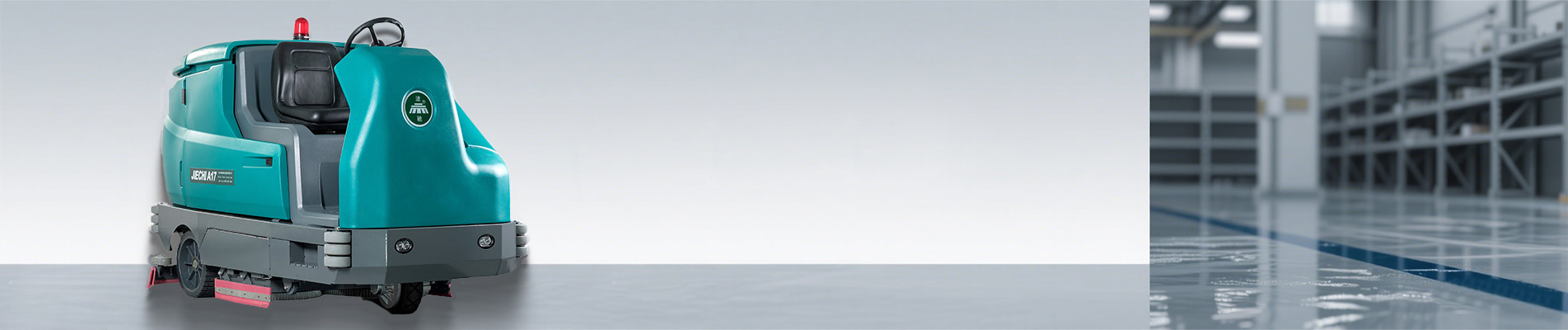

الاستثمار في كاسحة شوارع تجارية يُعدّ هذا قرارًا هامًا لأي منشأة. ولكن حتى أفضل الآلات لن تعمل بكفاءة إذا كانت أجزاؤها المستهلكة - وخاصة الفرش والمساحات - قديمة. إذن، ما هو معدل استبدالها الأمثل؟
باختصار، يعتمد الأمر على ساعات الاستخدام، وحالة الأرضيات، ونوع المخلفات التي يتم كنسها. فيما يلي دليل عملي لمساعدة مديري المرافق وفرق الصيانة على ضمان تشغيل آلات الكنس بأعلى كفاءة.
كم مرة يجب استبدال فرش الكنس؟
تتضمن فرش الكنس التجارية فرشًا أسطوانية رئيسية، وفرشًا جانبية، وفي بعض الطرازات، فرشًا قصيرة. ويتآكل كل نوع بمعدل مختلف.
بالنسبة للفرش الرئيسية، يُنصح عمومًا باستبدالها كل 300 إلى 500 ساعة تشغيل. في ظروف التشغيل الشاقة - كالمستودعات التي تحتوي على غبار خرساني، والساحات الخارجية المليئة بالرمل والحصى - قد يلزم استبدالها بعد 200 ساعة فقط. أما في البيئات الأقل إجهادًا، كأرضيات متاجر البيع بالتجزئة أو المصانع النظيفة، فقد تدوم الفرش حتى 600 ساعة.
تحتاج الفرش الجانبية، التي تجمع الحطام من الزوايا والحواف إلى مسار الفرشاة الرئيسية، عادةً إلى الاستبدال كل 150 إلى 250 ساعة. يؤدي صغر حجمها وموقعها المكشوف إلى تآكلها بشكل أسرع، خاصةً عند استخدامها بالقرب من الأرصفة أو الجدران.
يُعد الفحص البصري بنفس أهمية عداد ساعات الاستخدام. تشمل علامات التآكل الشعيرات المهترئة أو المنحنية أو المكسورة أو التي يقل طولها عن نصف طولها الأصلي. عندما تلاحظ انخفاض كثافة الشعيرات في الفرشاة، ينخفض أداؤها في الكنس بشكل ملحوظ.
كم مرة يجب استبدال ممسحة الزجاج؟
تُصنع المساحات المطاطية - التي توجد عادةً في المكانس التي تقوم أيضاً بالتنظيف أو في المكانس والآلات المدمجة - من شفرات مطاطية تتآكل أسرع من الفرش. ويُوصى باستبدالها كل 100 إلى 200 ساعة تشغيل.
لماذا يحدث هذا بشكل متكرر؟ تحافظ شفرات الممسحة على اتصال دائم بالأرضية، حيث تقوم بكشط الماء والغبار الناعم. مع مرور الوقت، تصبح حافة الشفرة مستديرة، أو بها خدوش، أو تتشوه بشكل دائم نتيجة بقائها في وضع واحد. تترك الممسحة البالية خطوطًا، أو تعجز عن شفط الماء تمامًا، أو تسمح بتسرب الغبار الناعم خلفها.
إليكم العلامات الدالة:
ينبغي أيضًا تدوير أو قلب أدوات المسح بانتظام. العديد من الشفرات قابلة للعكس - استخدام كلا الجانبين قبل استبدالها يضاعف عمرها الافتراضي.
العوامل التي تؤثر على معدل التآكل
لا تتآكل جميع أدوات التنظيف بنفس السرعة. إليك أهم العوامل المؤثرة:
سطح معدني يُعدّ هذا العامل المتغير الأكبر. فالخرسانة الخشنة، والأسفلت، والبلاط ذو فواصل الترويب السميكة تُسرّع التآكل بشكل كبير مقارنةً بالإيبوكسي الأملس أو الخرسانة المصقولة. كما أن نوع الحطام مهم أيضًا، فالغبار الناعم كاشط ويُتلف الشعيرات أسرع من الحطام الأكبر الذي "يدفع" بدلًا من "يكشط". أما تكرار الاستخدام فهو واضح: فالآلة التي تعمل بنظام ورديتين يوميًا ستحتاج إلى استبدال قطع الغيار ضعف عدد مرات استبدال قطع الغيار في الآلة التي تعمل بنظام وردية واحدة. وأخيرًا، تلعب عادات المُشغّل دورًا مهمًا، فخفض الفرشاة أو الممسحة بقوة مفرطة، أو الانعطاف الحاد جدًا، أو المرور فوق عوائق معدنية، كلها عوامل تُقلّل من عمر الآلة بشكل ملحوظ.
جدول الاستبدال الموصى به (مرجع سريع)
| جزء | استخدام خفيف | الاستخدام العادي | الاستخدام المكثف |
|---|---|---|---|
| الفرشاة الرئيسية | 500-600 ساعة | 300-500 ساعة | 200-300 ساعة |
| فرشاة جانبية | 200-300 ساعة | 150-250 ساعة | 100-150 ساعة |
| شفرات الممسحة | 150-200 ساعة | 100-150 ساعة | 50-100 ساعة |
| مجموعة كاملة من ممسحة الزجاج | 300-500 ساعة | 200-400 ساعة | 150-300 ساعة |
أفضل الممارسات لإطالة عمر الفرشاة والممسحة
على الرغم من أن الاستبدال أمر لا مفر منه، إلا أن العناية المناسبة يمكن أن تطيل فترة خدمة كل جزء قابل للتآكل:
نظف الفرش والمساحات يومياً. تتسبب الخيوط والأسلاك والشريط اللاصق والقماش الملفوفة حول أعمدة الفرشاة وشفرات الممسحة في تآكل غير متساوٍ. بضع دقائق من التنظيف اليومي تمنع تكون بقع ساخنة تؤدي إلى تلف مبكر.
اضبط ارتفاع الفرشاة وضغطها لأسفل بشكل صحيح. تتآكل الفرش التي يتم ضبطها على مستوى منخفض جدًا بسرعة أكبر، وتنثر الأوساخ بدلًا من كنسها. اتبع إعدادات الضغط الموصى بها من قبل الشركة المصنعة، والتي تتراوح عادةً بين 10 و15 ملم لانحراف الشعيرات في الفرش الرئيسية.
قم بتدوير وقلب المساحات المطاطية كل 30-50 ساعة. معظم شفرات الممسحة متناظرة؛ استخدام كلا الحافتين قبل الاستبدال يضاعف فعلياً عمر كل شفرة.
قم بتخزين الجهاز مع رفع الفرش والمساحات. إن ترك المكنسة متوقفة مع بقاء الفرشاة أو الممسحة ملامسة للأرضية يمكن أن يتسبب في تشوه دائم - بقعة مسطحة على الفرشاة أو انحناء في شفرة الممسحة.
قم بالتفتيش أسبوعياً. يمكن لفحص بصري لمدة 30 ثانية كل صباح اثنين أن يكشف عن فرشاة مهترئة أو ممسحة تالفة قبل أن تبدأ في التأثير على أداء التنظيف في العمل.
عند الشك، استبدل
لا يقتصر تأثير الفرشاة أو الممسحة البالية على ضعف التنظيف فحسب، بل إنها تُهدر الوقت أيضًا. إذ يضطر المشغل إلى إعادة تنظيف نفس المنطقة، ما يزيد من جهد الآلة (ويستهلك المزيد من البطارية أو الوقود) للتعويض. في كثير من الحالات، يُعيد تركيب فرشاة جديدة أو شفرة ممسحة جديدة كفاءة الكناس بنسبة تتراوح بين 30 و50%.
لست متأكدًا من نوع آلة الكنس التجارية المناسبة لمنشأتك؟ اتصل بنا وسنوصي بالنموذج الأمثل لنوع أرضيتك وعدد مرات التنظيف.

 هاتف
:+1 2403149021
هاتف
:+1 2403149021 بريد إلكتروني
:kliu@jiechi.com
بريد إلكتروني
:kliu@jiechi.com

ترك رسالة
مسح ضوئي إلى WeChat :

مسح ضوئي إلى WhatsApp :

 العربية


